
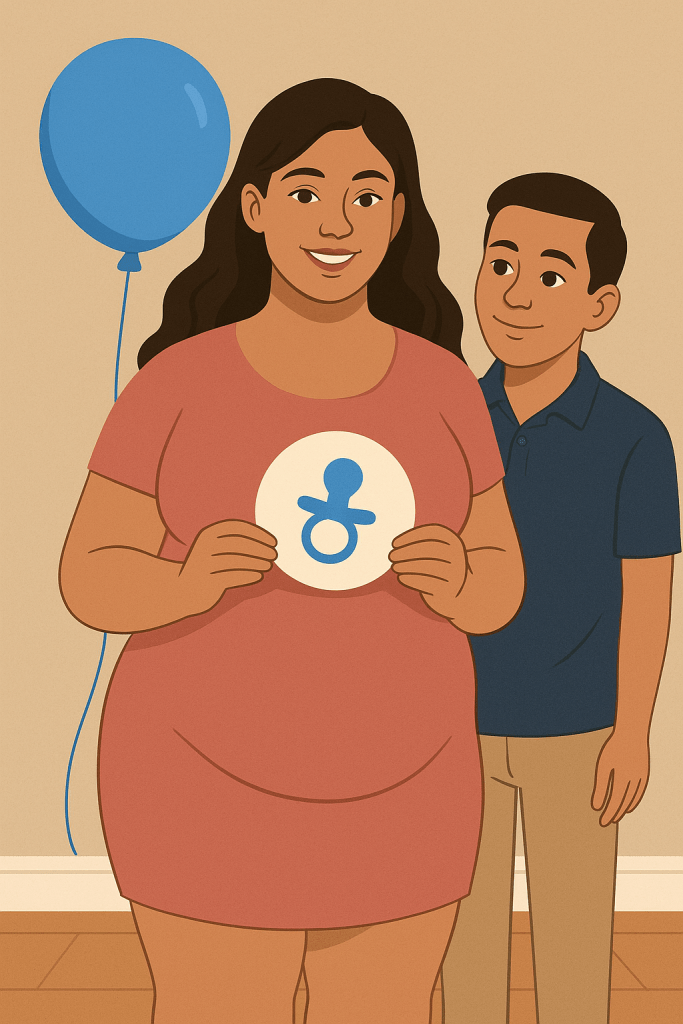
“I want a baby,” Meera announced.
Randolph blinked. “Now? Meera, we got bills. I’m still in school, remember?”
A month later, he strode into work, grinning like he’d won the Pick 5.
“Yo, imma be a dad!”
Silence. Stares.
Then, from the back of the office:
“Uh… congrats, man,” someone mumbled, the enthusiasm flatter than a DMV clerk’s stare.
At some point, Meera called her mother to inform she’d be moving upstate for the rest of the pregnancy for “support.” That lasted five weeks, which exceeded everyone’s expectations. By mid-trimester, she was back in the Bronx.
She and Randolph headed straight to his mother’s housing project apartment, where his older brother had been scrounging off their mother for years. The guy somehow got partial custody of his kids on weekends, so the place was already bursting. Randolph—the only wage earner in the whole setup—was crashing there too. Now Meera sat like a queen on the couch, either unwilling or unable to navigate social services for assistance.
Randolph’s grin was long gone. He seemed equally unwilling or unable to grasp what was really coming.
Much could be said about how society romanticizes childbirth and motherhood. And yes, indescribable admiration goes to women who choose to become mothers. But honestly, some of what goes into the process can be flat-out traumatic. Maybe both things are true. Maybe it can be both, traumatic and beautiful.
Still, here they are, the two nitwits in over their heads and at the center of it all, a baby.
Randolph’s latest mission? Buy a couple dozen cupcakes from the bakery down the street. The kind with blue and white filling revealed when bitten into, an ultra low-budget gender reveal.
Meanwhile, Meera, still in a kind of stupor, struggles to navigate even state medical coverage, let alone housing or other basic resources.
And yet, somehow, the baby’s coming anyway.
The baby is coming.
 theleakingcoconuts.com